FREE SHIPPING On Orders $95 | Buy more, Save more

6 Costly Bath Towel Mistakes Hotels Should Avoid

Picture this: a guest checks into your hotel after a long day of travel, steps out of a hot shower, and grabs a bath towel—only to find it scratchy, thin, and so absorbent it might as well be a paper towel. What do you think their first impression of your hotel will be? Spoiler: it’s not good. Bath towels might seem like a small detail in the grand scheme of hotel supplies, but they’re one of the most tangible things guests interact with during their stay. And here’s the kicker: making mistakes with your bath towels can cost you way more than you think—lost guests, wasted money, and a damaged reputation. I’ve been in the hotel supply industry for years, and I’ve seen so many hotels shoot themselves in the foot with simple, avoidable bath towel blunders. Today, I’m breaking down the 6 costliest ones—so you can skip the headaches and keep both your guests and your bottom line happy.
Buying Low-Quality Towels
Let’s start with the biggest mistake I see—buying the cheapest bath towels you can find. I get it, everyone wants to save money, especially when you’re ordering dozens (or hundreds) of towels for your hotel. But here’s the thing: low-quality bath towels are a false economy. You might pay less upfront, but you’ll end up spending way more in the long run. I once worked with a boutique hotel that switched to ultra-cheap towels to cut costs. Within three months, half of them were frayed, stained, or so thin they were see-through. They had to replace them all—twice that year. That’s not saving money; that’s throwing it away.
What makes a towel low-quality? Usually, it’s the material. Cheap towels are often made with thin cotton or a blend of low-grade fibers that don’t hold up to frequent washing (and let’s be real, hotel towels get washed A LOT). They’re scratchy, so guests hate them, and they wear out fast, so you’re constantly reordering. Plus, thin towels don’t absorb well—guests end up using two or three just to dry off, which means you’re laundering more, using more water and detergent, and increasing your utility bills.
Here’s the sweet spot: look for bath towels made with 100% combed cotton or Egyptian cotton. They’re softer, more absorbent, and can handle hundreds of washes without falling apart. Yes, they cost a bit more upfront, but they’ll last 2-3 times longer than cheap alternatives. Think of it like buying a good pair of shoes—you pay more once, but you don’t have to replace them every few months. Your guests will notice the difference, too. A plush, soft bath towel feels like a luxury, and that’s the kind of detail that makes guests come back.
Overstocking or Understocking
Have you ever walked into a hotel laundry room and seen stacks of bath towels piling up to the ceiling? Or worse, had a housekeeper tell you they’re out of clean towels mid-day, so guests have to wait? Both scenarios are costly—and they’re way more common than you think. Overstocking and understocking bath towels are two sides of the same coin, and both can hurt your hotel’s bottom line.
Let’s talk about overstocking first. I’ve seen hotels order enough bath towels to last six months, thinking they’re being proactive. But here’s the problem: towels take up space. That space could be used for other hotel supplies, linens, or even storage for guest amenities. Plus, if you order too many, you’re tying up cash that could be used for other important things—like upgrading your rooms or training your staff. And if you end up changing your towel style or color down the line? You’re stuck with hundreds of unused towels that you can’t return. That’s money sitting in a corner, doing nothing.
Now understocking—this one is even more frustrating. Imagine a guest checks in late at night, takes a shower, and calls the front desk because there’s no towel. Or a housekeeper can’t turn over a room on time because they’re waiting for clean towels. That’s a surefire way to get a bad review. Guests don’t care if you’re short on towels—they just know their stay was inconvenient. And bad reviews spread fast, especially online. Plus, understocking often leads to rush orders, which mean higher shipping costs and sometimes even paying a premium for last-minute supplies.
So how do you get it right? It’s all about tracking your usage. Take a month to count how many bath towels you use each day—factor in occupancy rates, peak seasons, and even how many towels guests typically use per stay (pro tip: most guests use 2-3 per day). Then, order enough to cover your average usage plus a 10-15% buffer for busy days or unexpected delays (like a laundry machine breaking down). That way, you’re never swimming in towels or scrambling to find one for a guest.
Skipping Bulk Discounts
Here’s a mistake that makes me cringe every time I see it: hotels ordering bath towels in small batches, even when they know they’ll need more soon. Why? Because they think they’re “saving money” by not spending a lot upfront. But let me tell you—skipping bulk discounts is like leaving money on the table. Most hotel supply vendors offer significant discounts when you order larger quantities of bath towels, and those discounts can add up to hundreds (or even thousands) of dollars in savings.
I had a client a few years ago who ordered 50 bath towels every month instead of 300 every six months. When I crunched the numbers, I found that they were paying 20% more per towel by ordering small batches. Over the course of a year, that added up to over $1,200 in extra costs—money that could have been used for better towels, or even a small upgrade to the guest rooms. And it’s not just about the price per towel; ordering in bulk also means fewer shipping costs. Instead of paying for shipping 12 times a year, you pay for it twice—another big savings.
You might be thinking, “But what if I don’t have the space to store bulk towels?” That’s a valid concern, but it’s easy to fix. Remember that 10-15% buffer we talked about earlier? You can adjust that based on your storage space. Order a bulk batch that fits in your storage area, even if it’s not six months’ worth—say, three months’ worth. You’ll still get a discount, and you won’t have towels taking over your laundry room.
Another thing to keep in mind: some vendors offer tiered discounts—so the more you order, the bigger the discount. For example, ordering 100 towels might get you a 10% discount, while ordering 200 gets you 15%, and 300 gets you 20%. It’s worth checking with your vendor to see what their bulk pricing looks like. Even if you don’t need 300 towels right now, if you can afford to order them and store them, the savings will be worth it in the long run.
Poor Supplier Communication
Let’s be real—no one likes dealing with suppliers. But here’s the truth: your relationship with your bath towel supplier can make or break your experience. I’ve seen hotels run into all kinds of problems because they don’t communicate clearly with their suppliers—and those problems almost always end up costing money.
One common issue is not specifying your needs clearly. For example, a hotel might order “white bath towels” without saying what size, weight, or material they want. Then, when the towels arrive, they’re too small, too thin, or the wrong shade of white—and the supplier says, “That’s what you ordered.” Now you’re stuck with towels you can’t use, and you have to wait weeks for a replacement. That means rushed orders, extra shipping costs, and unhappy guests in the meantime.
Another problem is not following up on orders. I’ve had clients who placed an order for bath towels and didn’t check in until the delivery date—only to find out the supplier had a delay, or the order was lost. By then, it’s too late to fix it quickly, and the hotel is left short on towels. A quick email or phone call a week after placing the order can save you a lot of headaches. Ask the supplier for a tracking number, or a delivery estimate, and follow up if you don’t hear back.
And let’s not forget about feedback. If you receive a batch of towels that’s not up to your standards—maybe they’re frayed, or the color is off—tell your supplier right away. Don’t just keep ordering from them and hoping it gets better. Most suppliers want to keep their clients happy, and they’ll work with you to fix the problem—whether that’s replacing the towels, giving you a discount, or adjusting their production process. But if you don’t communicate, they’ll never know there’s an issue.
Think of your supplier as a partner, not just a vendor. Take the time to build a relationship with them. Let them know your hotel’s needs, your budget, and your expectations. When you communicate well, you’ll get better service, fewer mistakes, and even better prices. And that translates to savings for you and a better experience for your guests.
Failing to Monitor Wear & Tear
How often do you check your bath towels for wear and tear? Be honest—most hotels don’t do it nearly enough. I’ve walked into hotel rooms and seen towels with frayed edges, stains that won’t come out, or holes big enough to put your hand through. And the hotel staff has no idea, because they’re not checking. Here’s why that’s a problem: worn-out towels make your hotel look unprofessional, and they can even be a safety hazard (think: a frayed towel catching on a hook and tearing). But most importantly, they cost you money.
If you don’t monitor wear and tear, you’ll end up keeping towels that are past their prime. These towels don’t absorb well, so guests use more of them (increasing laundry costs). They look bad, so guests are less likely to return. And eventually, they’ll fall apart completely, forcing you to replace them anyway. But if you monitor them regularly, you can replace worn-out towels before they become a problem.
Here’s a simple system that works: have your housekeepers check each towel every time they clean a room. If a towel has frayed edges, stains that won’t come out, or holes, they set it aside in a designated bin. At the end of the week, someone from your team goes through the bin and decides which towels can be repaired (if possible) and which need to be replaced. It only takes a few minutes a day, but it can save you a lot of money in the long run.
I once worked with a hotel that implemented this system, and they cut their towel replacement costs by 30% in six months. Why? Because they were replacing towels only when they needed to, not when they fell apart. They also noticed that guests were happier—no more complaints about scratchy, worn-out towels. And here’s a bonus: you can repurpose worn-out towels as cleaning rags, so they don’t go to waste. That’s a win-win.
Another thing to keep in mind: different areas of your hotel might have different wear and tear. For example, towels in the gym or pool area will wear out faster than towels in guest rooms, because they’re used more frequently and exposed to chlorine or sweat. You might need to check those towels more often, or even use a more durable towel for those areas.
Inconsistent Guest Experience
Imagine checking into a hotel, getting a plush, soft bath towel in your room, and then coming back the next year to find a thin, scratchy one in the same room. Would you be happy? Probably not. Inconsistency in bath towels is a huge turnoff for guests, and it’s a mistake that many hotels don’t even realize they’re making.
Here’s the thing: guests expect consistency. They want to know that no matter which room they stay in, or how many times they visit, they’ll get the same quality bath towel. But when you have a mix of old and new towels, or different styles and colors, it sends a message that your hotel doesn’t care about the details. And that can make guests feel like they’re not getting their money’s worth.
I’ve seen hotels that order new towels every few months, but don’t replace all the old ones. So one room has a brand-new, soft towel, and the next room has a three-year-old, frayed one. Guests talk, and they notice these things. A guest who gets a bad towel might leave a bad review, even if everything else about their stay was great. And in today’s world, one bad review can turn away dozens of potential guests.
So how do you fix this? It’s simple: when you order new bath towels, replace all the old ones at the same time. I know it might seem like a big expense upfront, but it’s worth it for the consistency. If you can’t afford to replace all of them at once, phase them out. For example, replace the towels in one floor at a time, and make sure the old towels are either repurposed or discarded. Don’t mix old and new towels in guest rooms—guests will notice.
Another way to ensure consistency is to stick with the same supplier and the same style of towel. If you switch suppliers or styles every time you order, you’ll end up with towels that look and feel different. Pick a towel that fits your hotel’s brand and budget, and stick with it. Your guests will appreciate the consistency, and it will make your hotel look more professional.
At the end of the day, bath towels aren’t just a small detail—they’re a reflection of your hotel’s quality and attention to detail. The mistakes I’ve talked about today might seem small, but they add up—costing you money, guests, and a good reputation. But the good news is, all of these mistakes are avoidable.
Start by investing in quality bath towels—they’ll last longer and keep guests happy. Track your usage to avoid overstocking or understocking. Take advantage of bulk discounts to save money. Communicate clearly with your supplier to avoid mix-ups. Monitor wear and tear to replace towels when needed. And keep the guest experience consistent—because consistency is key to keeping guests coming back.
You don’t have to be a hotel supply expert to get this right. Just take the time to pay attention to the little things, and your guests (and your bottom line) will thank you. After all, a happy guest is a returning guest—and a returning guest is a profitable one.
Hotel Bath Towel
$8.60Hotel Towel and Bath Towel Set: 1 Washcloth | 1 Hand Towel | 1 Bath Towel
$12.00
Hotel Bath Towel: 10 Bath Towels
$36.90Hotel Towel and Bath Towel Set: 10 Face Cloths | 10 Hand Towels | 10 Bath Towels
$48.80
10 Disposable Bath Towels (Each Individually Wrapped)
$5.00Disposable Towel & Bath Towel Set: 10 Towels | 10 Bath Towels (Each Individually Wrapped)
$6.80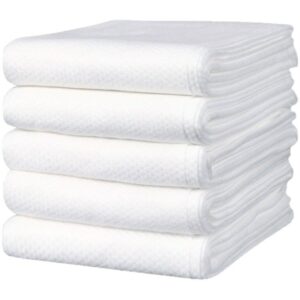
10 Disposable Bath Towels
$3.00Disposable Towel & Bath Towel Set: 10 Towels | 10 Bath Towels
$3.72