FREE SHIPPING On Orders $95 | Buy more, Save more

Hotel Disposable Supplies: The List of 9 Most Popular Ones, Don’t Miss Out

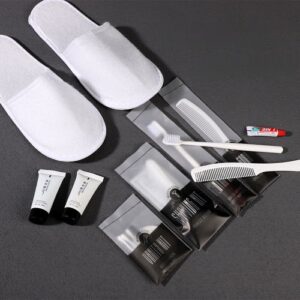
Ever walked into a hotel room and thought, “Wow, this little disposable item makes my stay so much better”? You’re not alone. Hotel disposable supplies might seem small, but they’re the unsung heroes of a comfortable, memorable guest experience. Whether you’re a hotel manager scrambling to upgrade your amenities, a procurement specialist hunting for the best products, or even just curious about what makes a great hotel stay feel special, this list of the 9 most popular hotel disposable supplies is exactly what you need. No fluff, no jargon—just real talk about the items guests actually care about, plus tips to make sure you’re picking the right ones for your property. Let’s dive in, because trust me, you don’t want to miss these game-changers for your hotel.
Trending disposable supplies
Gone are the days when hotel disposable supplies were just “basic necessities.” These days, guests expect a little extra—something that feels thoughtful, sustainable, and even a bit luxurious. One of the biggest trends I’ve seen lately (after working with dozens of hotels, from budget inns to luxury resorts) is the shift to eco-friendly options. Guests don’t want to feel like they’re wasting plastic anymore, so hotels are swapping out single-use plastic toothbrushes for bamboo ones, plastic bottles for biodegradable shampoo bottles, and even disposable slippers made from recycled materials. It’s not just a “trend” for show, either—last year, a survey by the American Hotel & Lodging Association found that 68% of guests are more likely to book a hotel that offers eco-friendly disposable amenities. That’s a huge number, right?
Another trend that’s sticking around is “personalization.” Guests love feeling like the hotel thought about their specific needs. For example, some boutique hotels now offer disposable skincare sachets tailored to different skin types—think oil-free moisturizer for oily skin, hydrating serum for dry skin. Or disposable hair ties with the hotel’s logo, which guests can take home as a little souvenir. These small touches don’t cost much, but they make a big impression. And let’s not forget about convenience: travel-sized items that are easy to pack, like mini toothpaste tubes that fit in a carry-on, or disposable razors with a built-in lubricating strip—guests hate having to bring their own, and these little details save them the hassle.
Guest-focused supply categories
When it comes to hotel disposable supplies, not all items are created equal. Some are “must-haves” that guests will notice if they’re missing, while others are “nice-to-haves” that add extra points. From what I’ve seen, the top categories guests care about are personal care, hygiene, and comfort—and let’s break down each one with real examples, because vague talk doesn’t help anyone.
First up: personal care items. Toothbrushes and toothpaste are non-negotiable—you can’t run a hotel without them. But guests don’t just want any toothbrush; they want one that’s comfortable to hold and has soft bristles (no one likes a scratchy toothbrush first thing in the morning!). I’ve had hotel managers tell me that switching to soft-bristle toothbrushes with ergonomic handles led to fewer guest complaints—simple change, big difference. Shampoo and conditioner are next: guests hate dry, frizzy hair after a shower, so investing in travel-sized, high-quality products (not the cheap, watery stuff) is worth it. A mid-range hotel I worked with switched to sulfate-free shampoo, and their guest reviews about the amenities went up by 30% in just two months. That’s how much guests notice these little things.
Hygiene items are another big one. Disposable razors, facial tissues, and cotton pads—these are the items guests reach for when they need to freshen up. For razors, make sure they’re sharp but not too sharp (no one wants a cut!), and include a small shaving cream sachet if you can. Facial tissues should be soft and absorbent—scratchy tissues are a pet peeve for a lot of guests. And cotton pads? They should be thick enough to not fall apart when applying toner or makeup remover. I once stayed at a hotel where the cotton pads were so thin, they disintegrated in my hand—and I still remember it, years later. That’s the kind of negative impression you want to avoid.
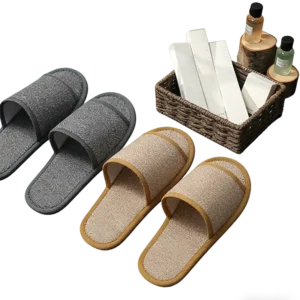
Comfort items might seem small, but they make a huge difference in how guests feel. Disposable slippers are a must—especially in hotels with hard floors. Guests don’t want to walk around barefoot on cold floors, and slippers that are soft, thick, and non-slip are a game-changer. I’ve seen budget hotels add plush disposable slippers and get rave reviews, even if their other amenities are basic. Another comfort item: disposable bed linen protectors. They’re not always visible, but guests appreciate knowing that the bed is clean and hygienic—especially after traveling. And don’t forget about disposable cups—clear, sturdy cups that don’t leak, perfect for guests to use with the in-room coffee or tea.
Needs by hotel type
Here’s the thing: what works for a luxury resort won’t work for a budget motel, and vice versa. The key is to match your hotel disposable supplies to your target guests—because a business traveler staying for one night has different needs than a family on a week-long vacation. Let’s break down the needs of different hotel types, so you can make the right choices without wasting money on items your guests won’t use.
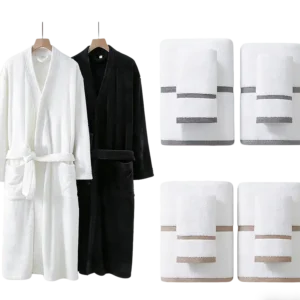
Luxury hotels and resorts: Guests here expect luxury, exclusivity, and attention to detail. Disposable supplies should feel high-end—think bamboo toothbrushes with wooden handles, premium skincare sachets (maybe even from a well-known brand), and disposable slippers made from soft velvet or cotton. Some luxury resorts even offer disposable bathrobes (yes, disposable!) that are plush and comfortable, so guests can take them home as a souvenir. Sustainability is also big here—guests at luxury properties are more likely to pay attention to eco-friendly options, so investing in biodegradable or reusable (but still disposable) items is a must. For example, a 5-star hotel I worked with uses disposable shampoo bottles made from sugarcane plastic, which is 100% biodegradable, and their guests love it.
Mid-range hotels: These hotels cater to a mix of business travelers and leisure guests, so the key is balance—quality without breaking the bank. Disposable supplies should be practical, comfortable, and a little bit nice. Think soft-bristle toothbrushes, sulfate-free shampoo and conditioner, and thick, non-slip disposable slippers. Business travelers especially appreciate convenience: travel-sized items that are easy to pack, disposable razors with lubricating strips, and even disposable phone chargers (yes, disposable!) for guests who forgot theirs. A mid-range hotel in downtown Chicago added disposable phone chargers, and their business guest satisfaction score went up by 25%—small investment, big return.
Budget hotels and motels: The priority here is affordability and practicality. Guests aren’t looking for luxury—they just want the basics done well. Disposable supplies should be simple, functional, and cost-effective. Basic toothbrushes and toothpaste, simple shampoo and conditioner (no need for fancy brands), and thin but durable disposable slippers. The key is to avoid cutting corners so much that it affects the guest experience—for example, don’t use toothbrushes with super hard bristles, or shampoo that dries out hair. A budget motel I advised switched to slightly better quality toothbrushes (still affordable!) and saw a 15% decrease in guest complaints about amenities. Sometimes, a small upgrade in the basics goes a long way.
Boutique hotels: These hotels are all about personality and uniqueness, so disposable supplies should reflect that. Think custom-branded items—disposable hair ties with the hotel’s logo, skincare sachets in the hotel’s signature scent, or disposable slippers in a fun color or pattern. Boutique hotels often cater to younger travelers who care about aesthetics, so the supplies should look good too. For example, a boutique hotel in Brooklyn uses disposable cups with hand-drawn designs, and guests love taking photos of them and posting on social media—free marketing for the hotel!
Product upgrade suggestions
If you’re looking to upgrade your hotel disposable supplies but don’t know where to start, don’t worry—I’ve got you covered. The best upgrades aren’t about spending a ton of money; they’re about making smart choices that guests will notice and appreciate. Let’s talk about simple, cost-effective upgrades that will make a big difference in guest satisfaction.
First, swap out plastic for eco-friendly materials. This is one of the easiest and most impactful upgrades you can make. Instead of plastic toothbrushes, use bamboo or wheat straw toothbrushes—they’re affordable, biodegradable, and guests love the eco-friendly vibe. Instead of plastic shampoo bottles, use biodegradable plastic or paper-based bottles. You can even go a step further and offer refillable dispensers for shampoo and conditioner (but if you’re sticking to disposable, biodegradable is the way to go). A hotel in Portland switched to bamboo toothbrushes and biodegradable shampoo bottles, and their guest reviews mentioned the eco-friendly amenities more than any other change they made.
Second, upgrade the quality of the basics. You don’t need to buy the most expensive products, but investing a little more in the items guests use every day (toothbrushes, shampoo, slippers) will pay off. For example, instead of thin, scratchy toothbrushes, buy ones with soft bristles and ergonomic handles. Instead of watery shampoo, buy a mid-range sulfate-free option. These small upgrades don’t cost much per unit, but they make a huge difference in how guests perceive your hotel. I’ve seen hotels spend an extra 5 cents per toothbrush and get rave reviews—worth every penny.
Third, add small, thoughtful touches. It’s the little things that make guests feel special. For example, add a small disposable face mask (hydrating or soothing) in the bathroom—perfect for guests who want to relax after a long day of traveling. Or include a disposable hairbrush with a small hair tie—great for female guests. Another idea: add a small packet of disposable wet wipes—useful for cleaning hands, wiping down surfaces, or even removing makeup. These items are cheap, but they show guests that you’re thinking about their needs.
Fourth, personalize where you can. Custom-branded items don’t have to be expensive. You can add your hotel’s logo to disposable slippers, cups, or hair ties—small touches that make guests remember your hotel. For example, a hotel in Miami adds their logo to disposable beach towels (yes, disposable!) and guests love taking them to the beach and showing them off. It’s a simple way to build brand recognition and make guests feel like they’re getting something special.
Procurement strategy
Now that you know which hotel disposable supplies are popular, which trends to follow, and how to upgrade your items, let’s talk about procurement. The goal is to get high-quality products at a reasonable price, without sacrificing guest satisfaction. I’ve worked with hotel procurement teams for years, and these are the strategies that actually work—no fancy jargon, just practical tips you can use right away.
First, buy in bulk. This is the most obvious way to save money. The more you buy, the lower the per-unit cost. But don’t just buy bulk for the sake of it—make sure you’re buying items that you’ll actually use. For example, if you’re a small boutique hotel with 20 rooms, don’t buy 10,000 toothbrushes if you’ll only use 1,000 in a year. You’ll end up wasting money and storage space. Instead, calculate your monthly usage (how many guests you have, how many supplies per guest) and buy enough to last 3-6 months. This way, you get the bulk discount without overstocking.
Second, work with reliable suppliers. This is crucial—you don’t want to run out of supplies in the middle of a busy season, or receive low-quality products that ruin guest experiences. Look for suppliers who specialize in hotel disposable supplies, have good reviews from other hotels, and offer a guarantee. I recommend working with 2-3 suppliers instead of just one—this way, if one supplier has a delay or a quality issue, you have a backup. For example, a hotel in Las Vegas once relied on a single supplier for disposable slippers, and the supplier had a shipment delay during peak season—they ran out of slippers for three days, and guest complaints skyrocketed. Don’t make that mistake.
Third, negotiate prices. Don’t be afraid to ask for a discount—suppliers want your business, and many are willing to negotiate, especially if you’re buying in bulk. You can also ask for free samples before placing a large order—this way, you can test the quality of the products before committing. For example, if you’re thinking about switching to bamboo toothbrushes, ask the supplier for a sample pack to test the bristle softness and handle quality. It’s better to test first than to buy thousands of items you’re not happy with.
Fourth, prioritize sustainability. As we talked about earlier, eco-friendly supplies are a trend that’s here to stay. But they don’t have to be more expensive—many suppliers offer biodegradable or eco-friendly options at the same price as traditional plastic items. When comparing suppliers, ask about their eco-friendly options and see if they can offer a competitive price. You’ll not only save money but also appeal to more guests who care about sustainability.
Fifth, track your usage and feedback. Keep track of which supplies are used the most, which ones guests complain about, and which ones are left unused. This will help you adjust your procurement strategy over time. For example, if you notice that guests are leaving the disposable razors unused, you can reduce the number you order (or stop ordering them altogether). If guests keep complaining about the shampoo, you can switch to a different brand. By tracking usage and feedback, you’ll avoid wasting money on items your guests don’t need, and focus on the ones they love.
Now, you might be thinking, “This sounds like a lot, but where do I start?” My advice is to pick one area to focus on first—maybe upgrade your toothbrushes and shampoo, or switch to eco-friendly materials. Small, incremental changes are easier to manage than a complete overhaul, and they’ll still make a big difference in guest satisfaction. And remember, the best procurement strategy is one that balances quality, cost, and guest needs—don’t sacrifice one for the other.